


NUTRITION GUIDES
picky eater guide
For a healthy dog who has always been picky, the feeding routine is often part of the problem. A dog who holds out for something better has usually been taught that holding out works. It can come undone about as fast as it was learned.
Below is what to do at the bowl, and the one number most people get wrong.

Then this is likely a habit rather than a symptom, and the rest of this page is written for you. Start with the section below.
The calculator is not loading
The written guidance below is unaffected. If this persists, tell us and we will fix it. Missing file:
Snacks, and why the bowl comes back full
One of the most common reasons a dog walks away from their food is simply too many calories throughout the day. Snacks and treats can add up fast, often making up a much larger share of their daily calories than you realize. When mealtime comes around, they may just not be hungry.

Treats. Chews. Table scraps. Dental treats. Pill pockets. Toppers. That bite of chicken while you are cooking. If it has calories, add it to the budget.
Everything else Cheese, peanut butter, chews, table food and eight more
High moisture options like cucumber and celery can provide satiety without the calories.
Figures are typical, so round up when you are guessing and add anything missing to the closest thing on the list.
This sounds different from normal pickiness.
A dog who has always been picky may have learned some very effective feeding habits. A dog whose appetite suddenly changes deserves a different approach. If your dog normally eats well and their appetite has suddenly changed, or if they are showing other signs that something is wrong, do not treat it like a behavior problem.
The signs to watch for
Call your veterinarian if you notice
- Vomiting, diarrhea, or straining
- Lethargy, hiding, or signs of pain
- Drooling or difficulty chewing
- Weight loss or visible ribs
- Drinking more than usual
- A sudden change in appetite
Don't wait it out if your dog is
- Under six months old
- Under 10 pounds
- Pregnant or nursing
- Diabetic or taking medication that requires food
- On a Fresh Rx or other prescribed diet
A healthy adult dog may occasionally skip a meal. Eating very little for up to 24 hours is usually not an immediate concern.
The Kitchen Timer Rule
Food goes down. Set a timer for 30 minutes. Food comes up 30 minutes later. Nothing else is offered until the next meal.
The goal is not to make your dog hungry. It is to make meals predictable again.
- Serve the meal and set the timer. If they have not eaten when it goes off, pick the food up and move on.
- No replacement meal. No upgraded option. No handful of treats because you feel bad.
- Offer their next meal at the normal time, and offer the same food. Nothing new gets added to make it more interesting.
- No treats, chews or table food between meals for at least two weeks. This is the part everyone skips, and it is the part that works.
- Refrigerate uneaten fresh food promptly and use a clean bowl at the next meal. Fresh food should not sit out for more than thirty minutes at a time.
Track it
Two weeks is a long time to hold a line by memory. Log each meal with one tap and this page keeps the record, tells you what your own two weeks are saying, and prints a page you can hand your veterinarian.
Nothing is sent anywhere. It saves to this browser, and to your account when you are signed in.
Feeding log
| Day | Meals | Treats |
|---|
Logged by the owner on wynwooddogfood.com. Ate it = finished, Left some = partly eaten, Left it all = refused.
Wynwood Tips

Warm, not hot
Aroma plays a big role in palatability. Gently warming fresh food can make it smell stronger and more appealing. Warm, not hot.

Walk first, feed second
A short walk before meals builds an appetite the same way it does for us, and it gives the meal a cue that arrives at the same time every day. The routine matters as much as the walk.

Check the portion before you blame the dog
If they leave about the same amount every night, the portion may be too large. Weigh every meal on a kitchen scale, not by eye. Watch for weight changes and check with your veterinarian that the amount maintains a healthy weight and body condition.

Be boring about it
Same place. Same times. Same food. No audience. Dogs read attention as negotiation, and a picky eater is usually a dog who has learned that waiting produces a better offer.
Praise when finished
Save your love for after meals are completed. This is when positive reinforcement can help make a difference.
Do not negotiate with the bowl.
If they learn that ignoring dinner produces chicken, cheese, treats, or a completely different meal, they have a very good reason to keep ignoring dinner. Consistency is what resets the pattern.
- Switching flavors the moment they hesitate. This teaches the hesitation.
- Hand feeding to get them started. It becomes the only way they will eat.
- Adding something tastier on top every night. The topper becomes the meal and the food underneath becomes the thing to avoid.
- Leaving the bowl down all day. Food that is always there is never interesting, and fresh food should not sit out.
What a treat budget actually looks like
Ten percent on top of their meals, for a healthy adult dog at normal activity. Use the panel above for your own dog; these are the common weights.
| Dog | Calories a day | Treat budget | What that buys |
|---|---|---|---|
| 10 lb | 287 | 29 | 18 liver bites, or 1 beef strip, or three quarters of a dog biscuit |
| 20 lb | 482 | 48 | 30 liver bites, or 2 beef strips, or one dog biscuit |
| 35 lb | 733 | 73 | 45 liver bites, or 4 beef strips, or 2 dog biscuits |
| 50 lb | 958 | 96 | 60 liver bites, or 5 beef strips, or 2 dog biscuits |
| 70 lb | 1,234 | 123 | 76 liver bites, or 6 beef strips, or 3 dog biscuits |
| 90 lb | 1,489 | 149 | 93 liver bites, or 8 beef strips, or 4 dog biscuits |
Figures come from the same calculation the rest of the site uses. A puppy, a senior or a very active dog will differ, which is what the panel above is for.
Questions we get
Why won't they eat?
Why will my dog eat treats but not their food?
That is useful information.
A dog who ignores their normal meal but is immediately interested in treats may still have an appetite. Sometimes the issue is that they have learned holding out gets them something better.
For the next two weeks, count every extra calorie and stick to the meal routine. If their appetite has changed suddenly or something else seems off, call your veterinarian.
Why will my dog eat kibble but not fresh food?
Sometimes the adjustment is the routine, not the food.
A dog who is used to grazing on kibble throughout the day may take time to adjust to measured fresh meals served at specific times.
Keep portions appropriate, limit extras, use a consistent feeding window, and give the routine some time before assuming you need another food.
Could the bowl be the problem?
Sometimes. If your dog eats off the floor but not from their bowl, try ruling out the bowl before changing the food. Tags can clang against metal, dishes can slide, raised bowls may feel awkward, and some feeding spots are simply too busy. Try a flat plate in a quiet spot for a few meals and see if anything changes.
The routine
Can I mix something in to get them started?
During a switch, yes, that is exactly what the transition is for. As a permanent habit, no. If something goes on top every night, the food underneath becomes the part to hold out on. See How to Feed Fresh for the switch itself.
Should I leave my dog's food out all day?
No. Serve the meal and give them thirty minutes to eat. If they do not, pick it up and offer the same food again at the next normal mealtime. Leaving food down all day makes the feeding routine harder to establish, and fresh food should not sit out for more than thirty minutes. Refrigerate anything uneaten and use a clean bowl at the next meal.
Will switching to a different food fix a picky eater?
Not necessarily, and constantly switching foods can make the pattern harder to break. If a different option appears every time your dog hesitates, waiting can become part of the routine. Stick with the same appropriate food and feeding schedule for two weeks before assuming the food itself is the problem.
When to worry
How long can a dog go without eating?
A healthy adult dog may occasionally skip a meal. If they have eaten nothing for 24 hours, call your veterinarian. Do not wait that long with a puppy under six months, a dog under 10 pounds, a pregnant or nursing dog, a diabetic dog, a dog taking medication that must be given with food, or any dog on a Fresh Rx or other prescribed diet.
Is my dog being picky or is something wrong?
The biggest clue is whether anything has changed. If your dog has always been particular and is otherwise acting normally, start with the feeding routine. If a dog who normally eats well suddenly loses interest in food, call your veterinarian. The same goes for vomiting, diarrhea, lethargy, signs of pain, drooling or difficulty chewing, weight loss, drinking noticeably more than usual, or anything else that seems off.
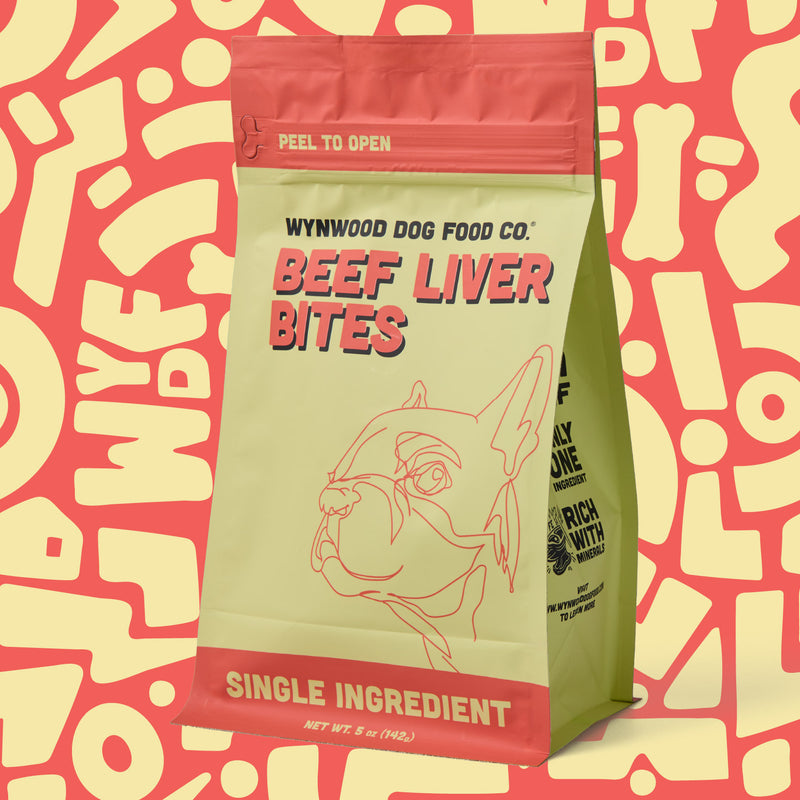
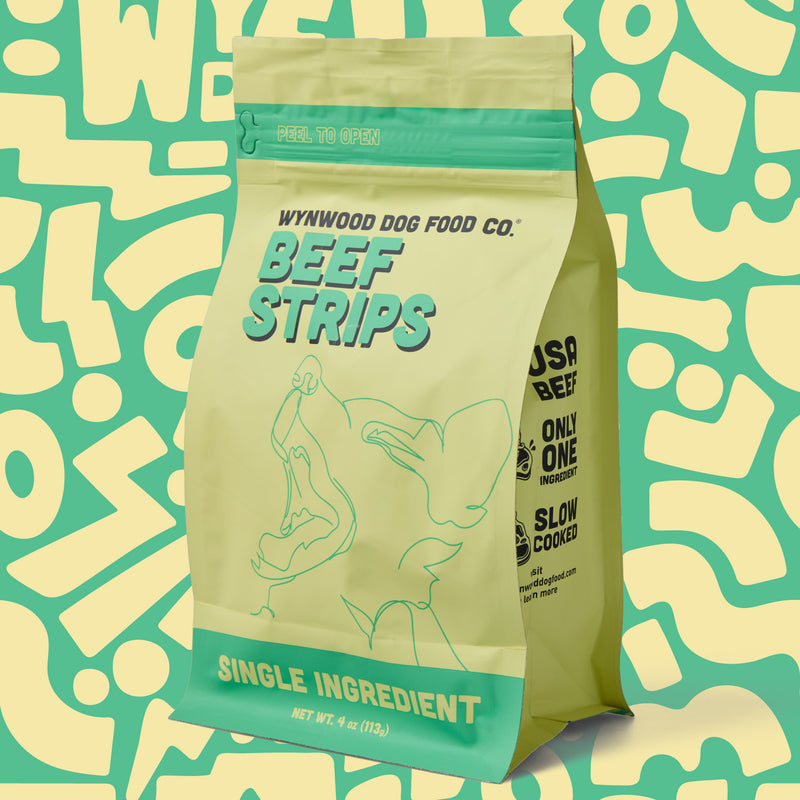
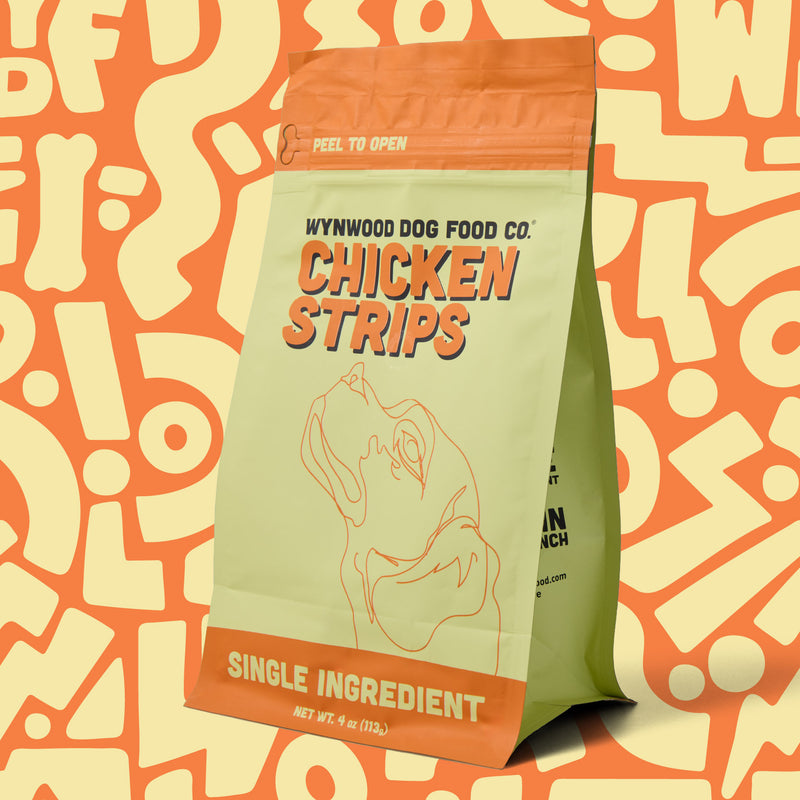
Treats that fit the budget
Single ingredient, nothing added. Count them against the ceiling above and they will not cost you dinner.
Who checked this page
Laura Gaylord, DVM, DACVIM (Nutrition)
Board Certified Veterinary Nutritionist®
Last reviewed 3 September 2026.

Ready to make meals simple again?
A fresh routine you can actually stick to.
Complete their profile → Treat calorie calculator